
In Prêt à Parler abbiamo la fortuna di avere insegnanti madrelingua provenienti da molte parti di questo strambo pianeta. Oggi vogliamo raccontarvi tradizioni e usanze delle feste attraverso gli occhi di alcuni di loro.
Pronti a partire per questo tour virtuale natalizio attraverso Stati Uniti, Scozia, Spagna e Francia?
🎄Il Natale americano di Jackie
🎄Il Natale di Lydia in Spagna
🎄Hogmanay in Scozia (Owen)
🎄Il primo giorno dell’anno nel Nord della Francia a Dunkerque (Alice)
Il Natale americano di Jackie
 I decided to tell you about poinsettias (flowers) and the outdoor house decorating stuff that happens at Christmas time:
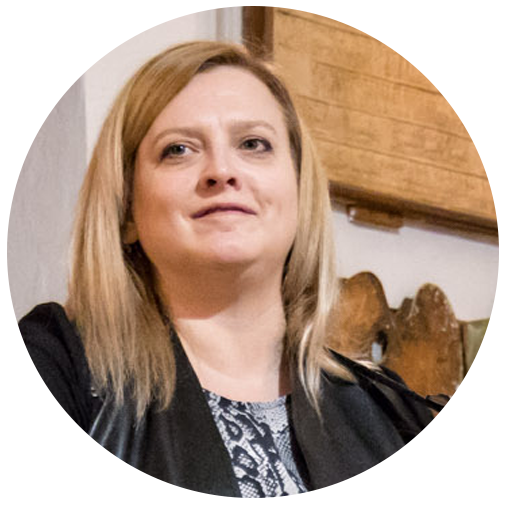
Poinsettias are seasonal red and white flowers that are traditional around the fall holidays. I always gift my Mom a nice poinsettia for Thanksgiving that she keeps until Christmas and beyond.
Businesses also decorate with these flowers and you will see them everywhere around the holidays. Here’s a picture of the wall of poinsettias currently on display at the Atlanta Botanical Gardens.
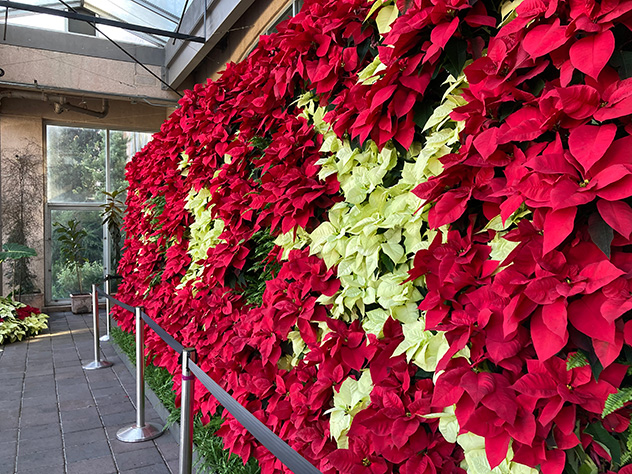
Decorating the outside of your house for Christmas is VERY popular in the U.S. In some neighborhoods it is even expected, and an unofficial form of competition exists in having the most elaborate, expensive, and complex displays including lights, music, light projection, inflatable Santas, etc. Here is one house that I pass on my bike daily
Some suburbs are famous for the holiday displays that people put up year after year. It’s a tradition for many families to go for a drive to the most decorated parts of their town and look at the decorations. Many neighborhoods and individual houses become known for having the best decorations year after year. This year it’s an especially popular activity as families can drive through so it’s a COVID safe way to enjoy some holiday cheer. Here is an article about the best private houses to go drive by for 2020. Click here to learn more about each house- some of them are over the top!
In addition to drive through holiday light displays, Zoos and botanical gardens and other places make walk through lighting displays outside. This year my husband and I are going to one at the Atlanta Botanical Garden. Here is their website
Il Natale di Lydia in Spagna
 En España tenemos muchas tradiciones durante la Navidad:
Normalmente durante el puente de la constitución de Diciembre ponemos en casa el Portal de Belén (nacimiento de Jesús y otros personajes, procedentes de la religión católica), el árbol de Navidad y otras decoraciones navideñas.
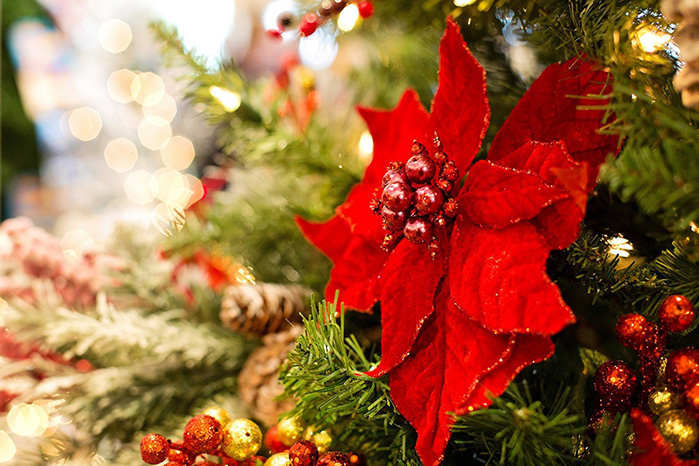
Se compra y se regala, la flor de Pascua, una planta con flor rojo intenso, es un símbolo de la Navidad.
En algunos lugares de España, sobre todo en los pueblos, guardan la tradición de pedir el aguinaldo, que consiste en que los niños van cantando “Villancicos” (canciones navideñas), tocando las panderetas y zambombas (instrumentos típicos de la navidad), a cambio de dinero (el aguinaldo).
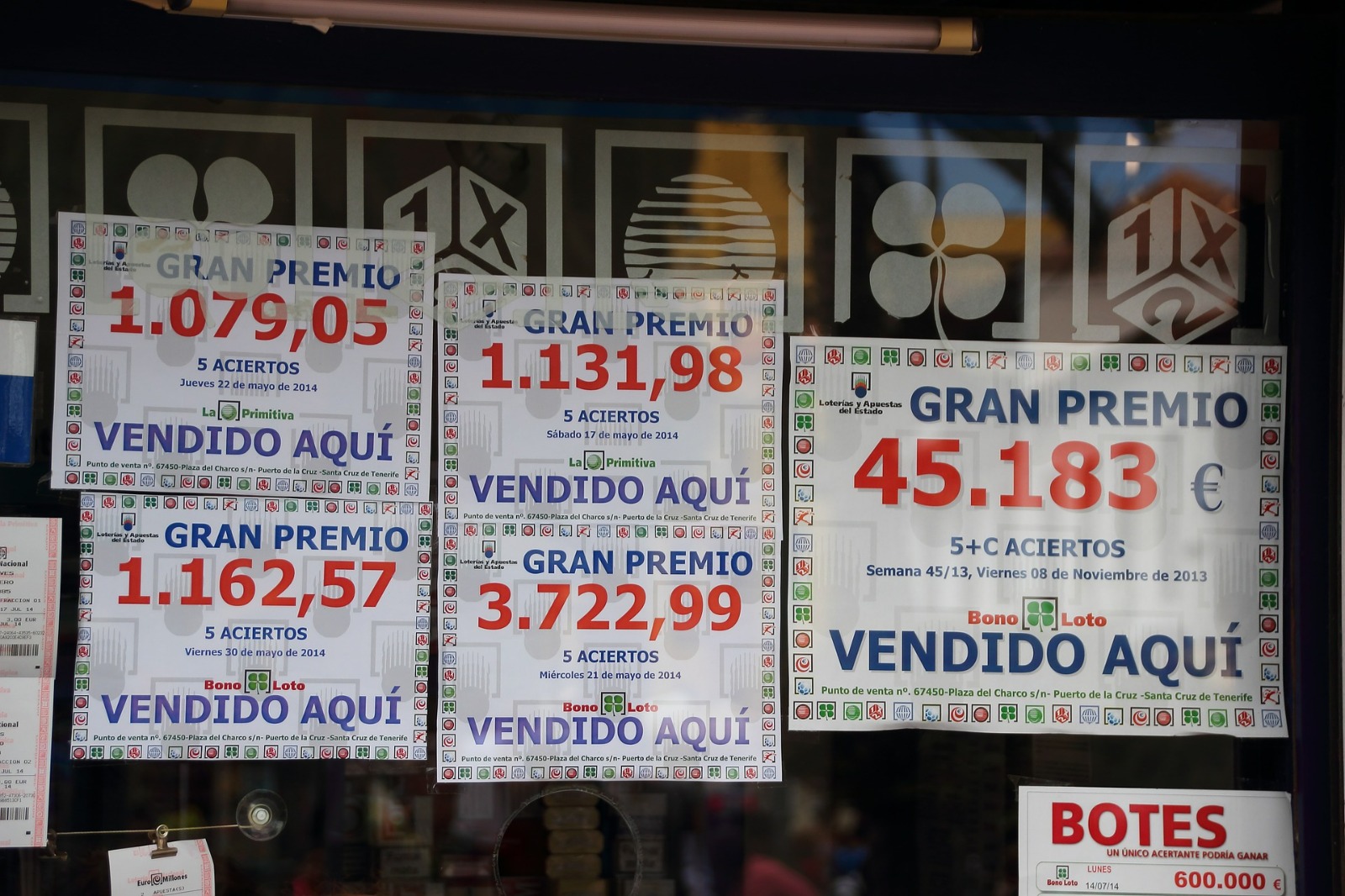
Para los españoles la navidad comienza el 22 de Diciembre, día en el que se celebra “La Lotería de Navidad”(desde el año 1812), es un sorteo con muchos premios de dinero, el premio mayor es “El Gordo”. Durante todo el año, la gente va comprando muchos décimos de lotería ( números) que cuestan 20.
“Nochebuena y Navidad”: Nochebuena es la cena del 24 de diciembre, en la que se reúnen las familias, es una cena con abundante comida, entrantes, 2 platos principales, principalmente “Cordero” o “cochinillo” o “pavo”, después viene el postre y después dulces de turrón y mazapanes. La Navidad es el 25 de diciembre, día en el que se celebra el nacimiento del niño Jesús. En este día se continúan con las reuniones familiares al mediodía. En muchas casas los niños reciben regalos de Santa Claus o de otros personajes importantes de ese territorio.
El 28 de diciembre, se celebra el día de “Los Santos Inocentes”, es un día muy divertido, de muchas risas, gracias a las bromas que nos gastamos unos a otros.
Hogmanay in Scozia (Owen)
 The Scottish Xmas is much like the English one – traditional Xmas day lunch with turkey and all the trimmings, and lots of sitting around getting fat 😉
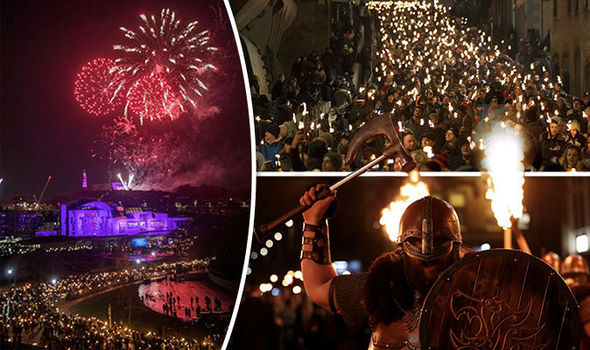
New year is a bit different here – we call New Year’s Eve “Hogmanay” and this is usually marked with large amounts of drinking into the wee small hours and beyond. Edinburgh city has a street party which normally hosts about 75000 people.
“First footing” is a tradition where the first person to visit you after the new year starts should bring a gift for luck. Alcohol is the normal gift these days, but according to tradition the first footer arrives with a coin, bread, salt, a lump of coal and whisky – gifts representing the things the new year would hopefully bring, such as prosperity, food, flavour, warmth and good cheer.
Il primo giorno dell’anno nel Nord della Francia a Dunkerque (Alice)

A Malo-les-Bains, près de Dunkerque, nous avons une tradition un peu particulière le premier jour de l’année, appelée le “bain des givrés”. Le matin du 1er janvier, des centaines de personnes aux costumes excentriques et extravagants se rassemblent sur la plage avec de la musique et de l’alcool pour ceux qui peuvent encore boire quelque chose 😉
A midi pile, nous nous précipitons dans les eaux glacées, certains jusqu’aux jambes, une coupe de champagne à la main, tandis que d’autres plongent plusieurs fois dans l’eau.
Evidemment, l’eau de la mer du Nord est très froide, 10 degrés maximum ! C’est très difficile d’y entrer parce que le froid fait mal aux jambes, mais après, on ne sent plus rien tellement on est gelé 😉
Chaque année, depuis 2000, la tradition se développe et attire de plus en plus de monde. Au début, il n’y avait que 30 personnes, maintenant nous sommes plus de 1000, 2000 ou 3000, parce que beaucoup de gens viennent aussi seulement pour admirer le spectacle.
En fait, pour de nombreuses personnes, le bain des givrés sert d’entraînement pour le célèbre carnaval de Dunkerque, l’un des principaux en France (et le meilleur !).
Pour comprendre un peu mieux l’ambiance, je vous propose de regarder cette petite vidéo de l’année dernière :


